
Paramedical Tattooing

What is Scar Camouflage?

Scar Camouflage, also called paramedical scar micropigmentation, is a specialized cosmetic tattooing technique designed to make certain healed scars less noticeable[cite: 9]. Custom-blended pigments are introduced into suitable scar tissue to reduce the colour difference between the scar and the surrounding skin[cite: 9]. It does not remove the scar or change its texture; instead, the goal is to soften its visual appearance and help it blend more naturally with your complexion[cite: 9].

Step 1: Scar Suitability Assessment

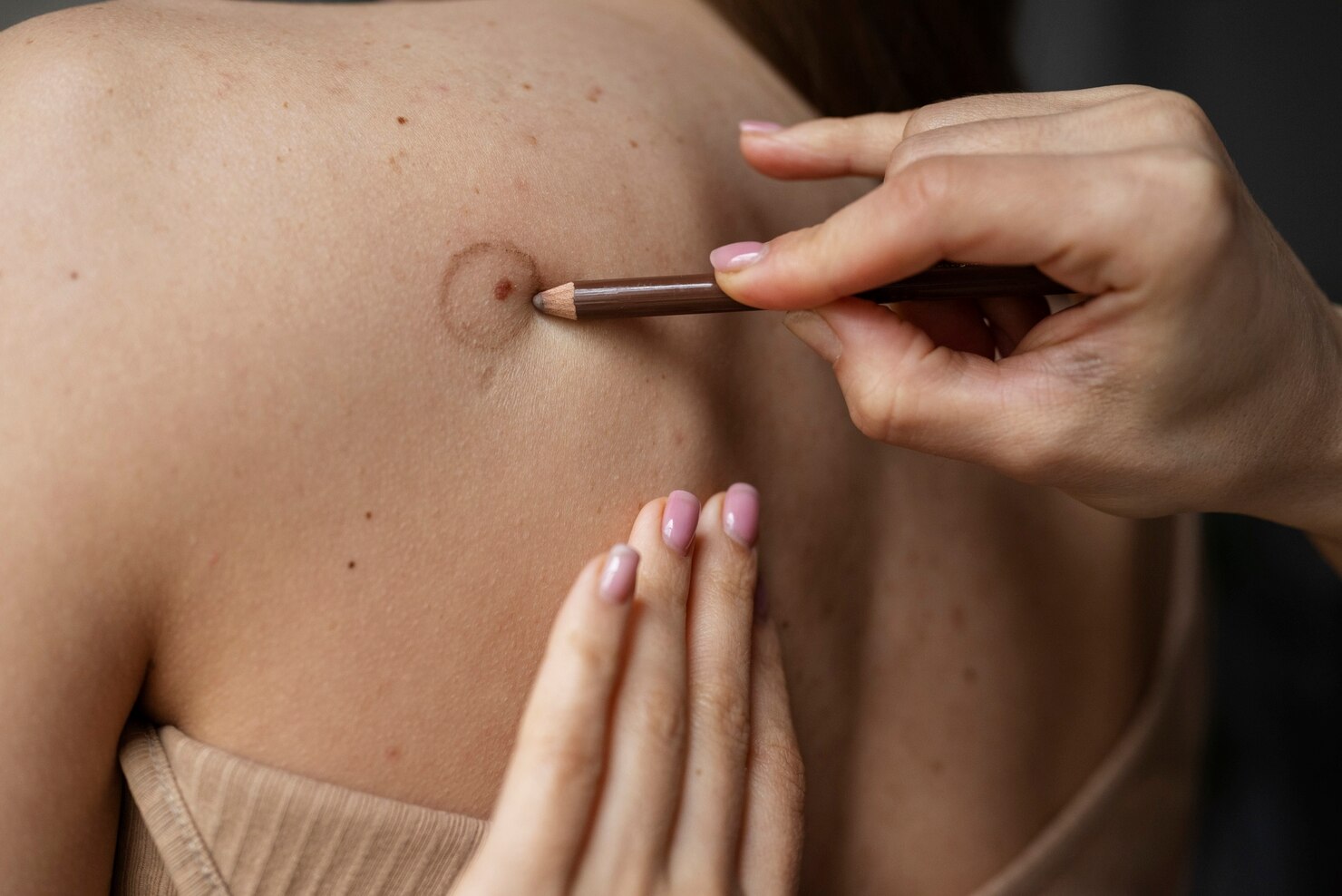
Not every scar should be tattooed[cite: 9]. Before treatment, we examine the scar's age, colour, texture, location, surrounding skin tone, and healing history[cite: 9]. Raised, irritated, actively changing, or immature scars may not be suitable[cite: 9]. For appropriate cases, a small test patch may be recommended to observe pigment response before treating the complete area[cite: 9].

Scar Suitability Assessment

Step 2: Skin-Tone Pigment Placement

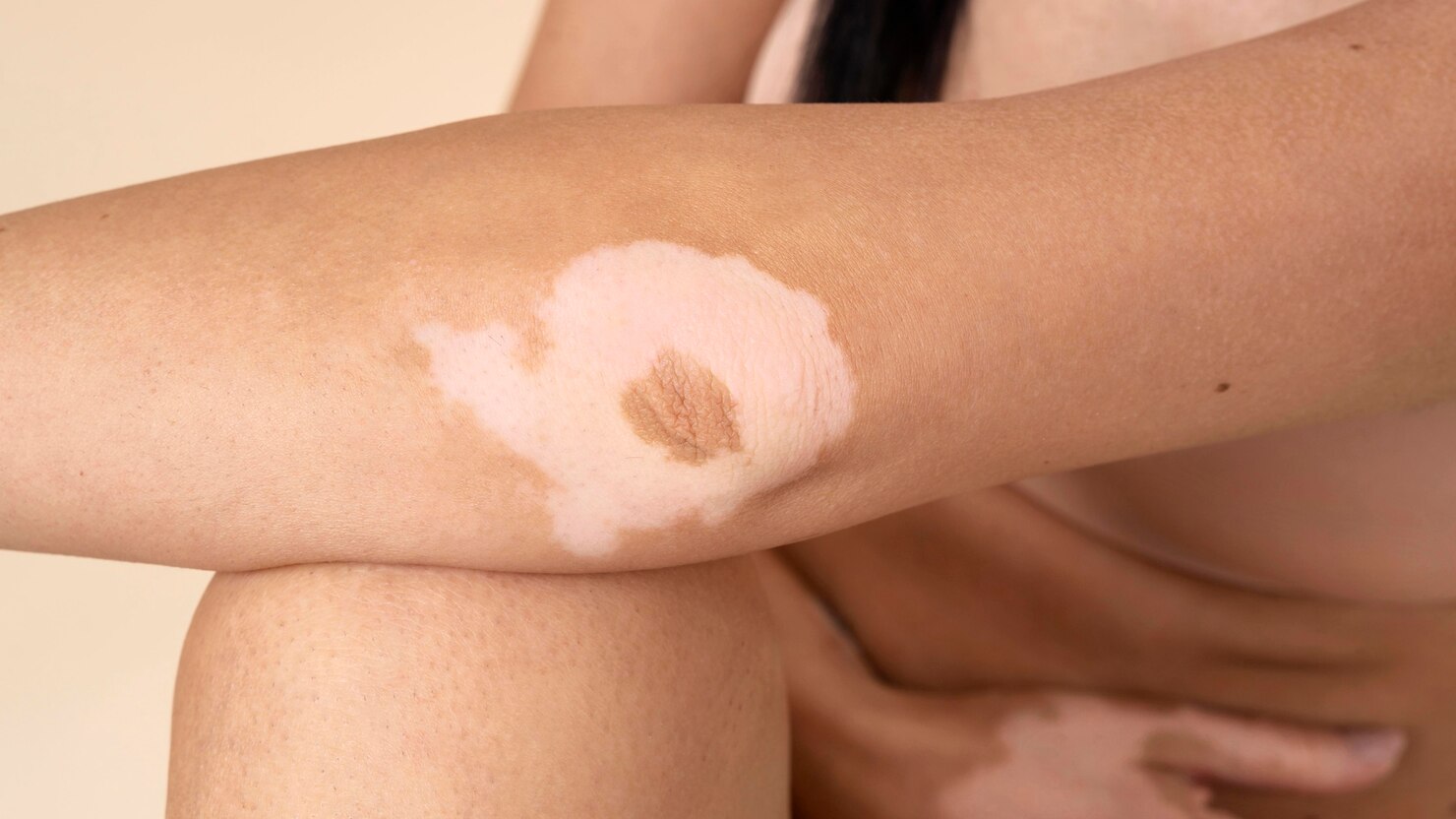
Once suitability is established, pigments are individually mixed to complement the skin surrounding the scar[cite: 9]. Using precise paramedical micropigmentation techniques, colour is gradually introduced into selected areas of the scar to reduce visible contrast[cite: 9]. Because scar tissue can retain pigment differently from normal skin, the treatment is performed conservatively rather than attempting full coverage in a single session[cite: 9].

Skin-Tone Pigment Placement

Step 3: Colour Integration & Refinement

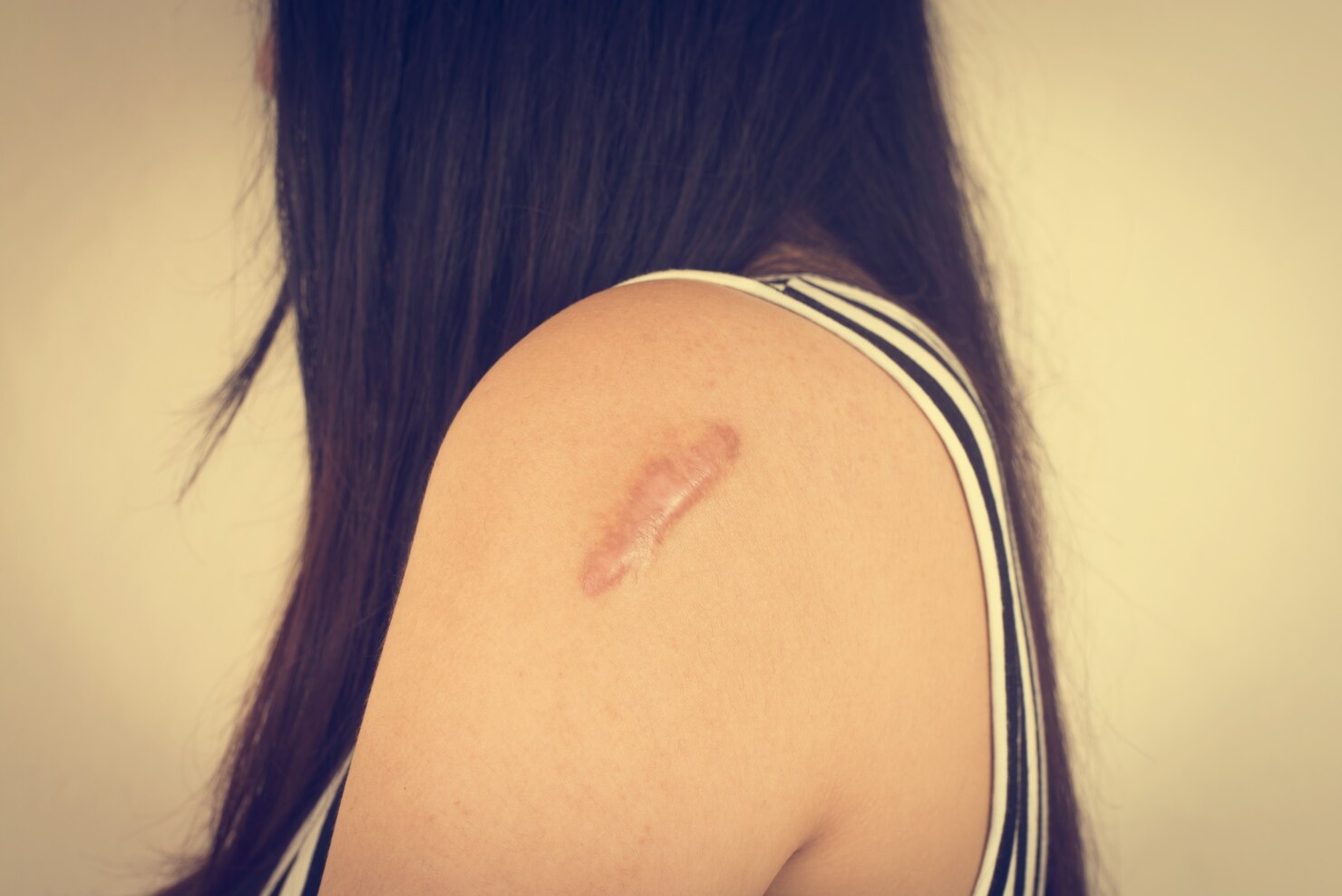
After the treated scar has healed, we evaluate how the pigment has settled in different parts of the tissue[cite: 9]. Additional sessions may be used to adjust undertones, strengthen areas with lighter retention, and improve the transition between the scar and surrounding skin[cite: 9]. The objective is visual camouflage and better colour harmony, not to make the scar completely disappear[cite: 9].

Colour Integration & Refinement
Expert Answers

20 FAQs About Scar Camouflage

Scar Camouflage is a paramedical micropigmentation procedure that uses customized pigments to make suitable scars blend more closely with the surrounding skin[cite: 9].

No[cite: 9]. The scar remains physically present[cite: 9]. Camouflage focuses on reducing colour contrast, making the scar potentially less noticeable[cite: 9].

Certain fully healed, stable, lighter-than-surrounding-skin scars may be suitable[cite: 9]. Every scar requires individual assessment[cite: 9].

Usually not[cite: 9]. A scar should be fully matured and stable before cosmetic tattooing is considered[cite: 9].

Raised, keloid, hypertrophic, irritated, or actively changing scars require particular caution and may not be suitable for camouflage tattooing[cite: 9].

Scar camouflage is generally more predictable for scars that are lighter than the surrounding skin[cite: 9]. Darker scars require careful assessment and may need a different approach[cite: 9].

Some fully healed surgical scars may be suitable, depending on their colour, texture, location, and healing characteristics[cite: 9].

Certain mature C-section scars may be candidates for scar camouflage after complete healing and professional assessment[cite: 9].

Possibly[cite: 9]. Suitability depends more on the scar's current condition than on what originally caused it[cite: 9].

Scar tissue can respond differently to pigment[cite: 9]. A test patch allows us to evaluate healing and colour retention before proceeding with a larger area[cite: 9].

Several pigments may be blended together based on the surrounding skin's depth and undertones to create a personalized match[cite: 9].

A close visual blend may be achievable, but a permanent exact match cannot be guaranteed because natural skin changes with tanning, seasons, circulation, and ageing[cite: 9].

Scar tissue often requires more than one session because pigment retention can be unpredictable and colour is best developed gradually[cite: 9].

Pigmentation primarily addresses colour difference, not significant changes in skin texture[cite: 9]. Other treatments may be more appropriate when texture is the main concern[cite: 9].

Sensitivity varies depending on the scar, treatment area, and individual[cite: 9]. Some scars may have altered sensation compared with normal skin[cite: 9].

The area can temporarily appear darker or warmer and may show mild redness[cite: 9]. The true camouflage result should be evaluated after healing[cite: 9].

Results can last for years, but pigments gradually fade[cite: 9]. Skin characteristics, lifestyle, sun exposure, treatment area, and other factors affect longevity[cite: 9].

Natural skin can tan while tattoo pigment does not respond to sunlight in the same way[cite: 9]. Significant tanning may therefore increase the visible difference between the scar and surrounding skin[cite: 9].

Different skin tones require different pigment strategies, and not every scar is an appropriate candidate[cite: 9]. An individual assessment is essential before recommending treatment[cite: 9].

At Rajini PMU in Bangalore, Scar Camouflage begins with a detailed assessment of the scar rather than immediately applying pigment[cite: 9]. Suitable cases receive customized colour matching and carefully layered micropigmentation designed to reduce visible contrast while maintaining realistic expectations[cite: 9].