
What is Vitiligo Camouflage?
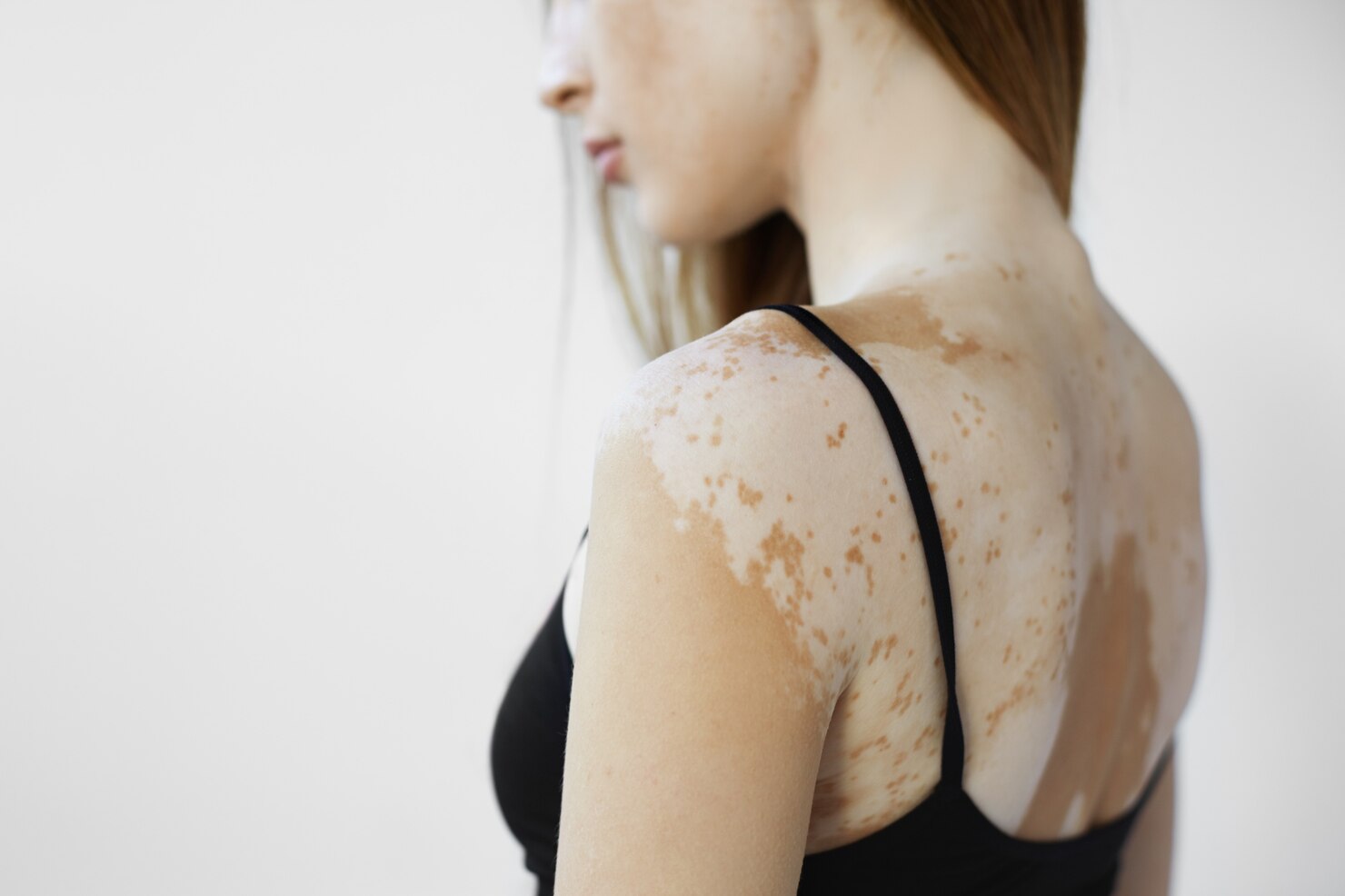
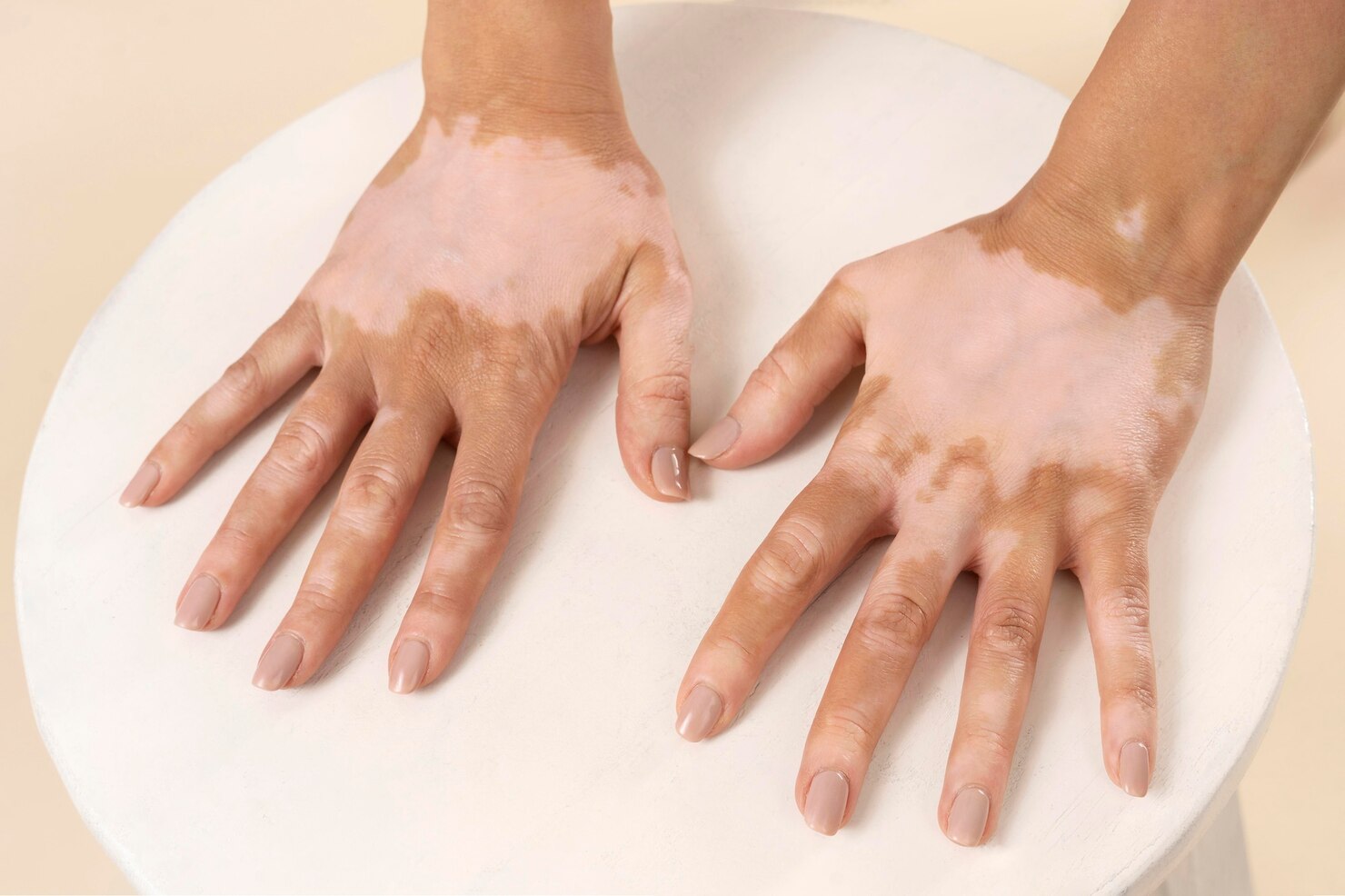
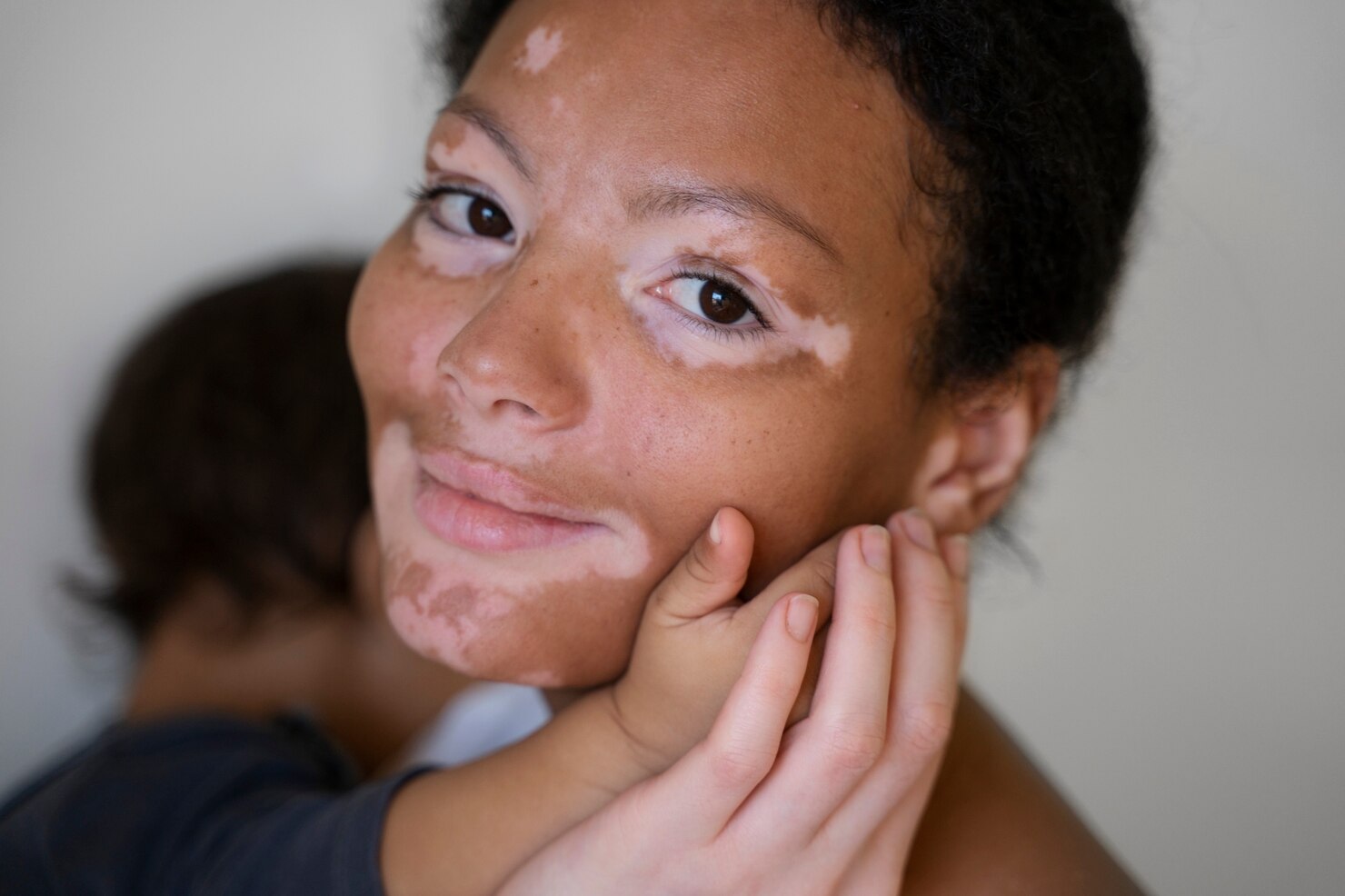
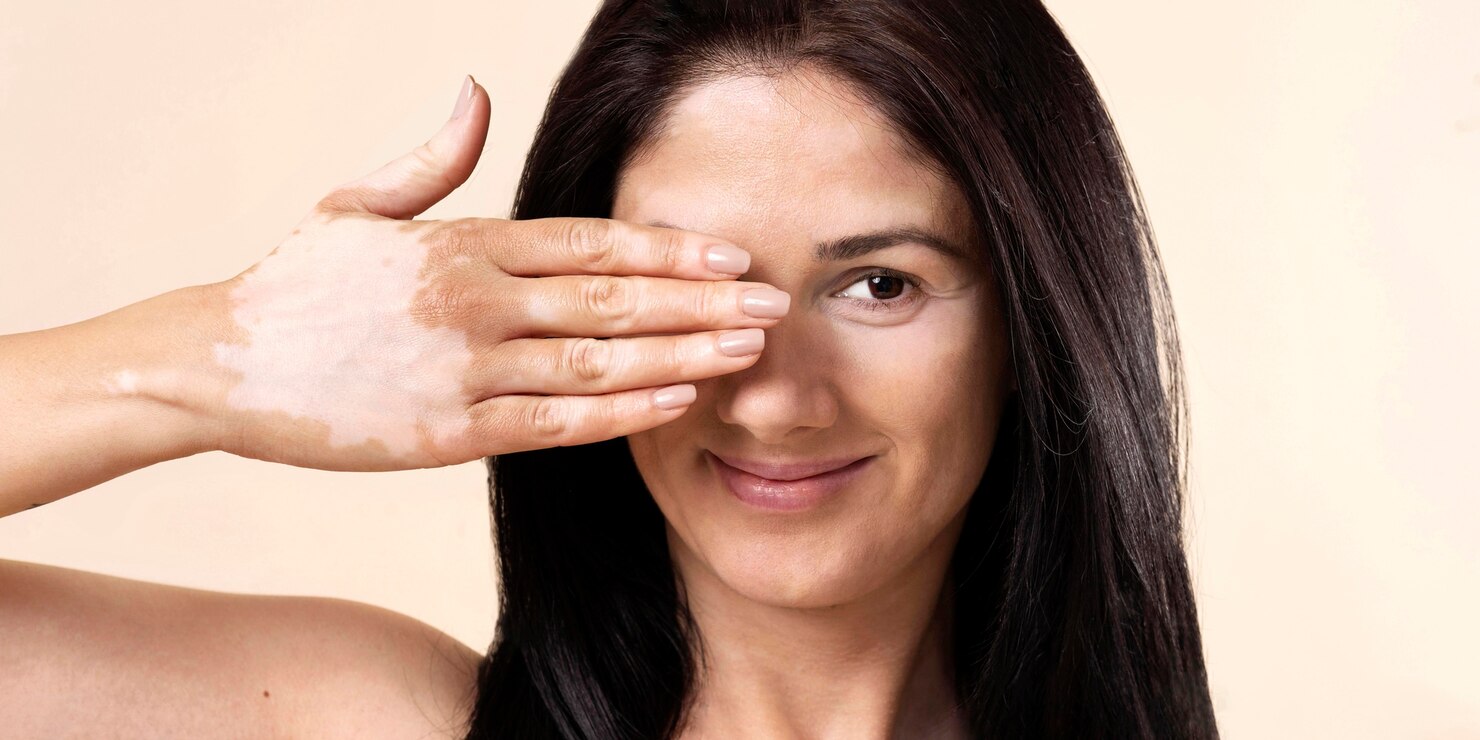
Vitiligo Camouflage, also known as medical or paramedical skin camouflage tattooing, is a specialized micropigmentation technique used to reduce the visible contrast between stable vitiligo patches and the surrounding natural skin[cite: 8]. Carefully customized pigments are implanted into suitable depigmented areas to create a closer visual match with the surrounding complexion[cite: 8]. The purpose is cosmetic camouflage—not to cure vitiligo or restore the skin's natural melanin production[cite: 8].
Step 1: Skin & Colour Evaluation
Vitiligo camouflage requires more than simply choosing a light, medium, or dark pigment[cite: 8]. We examine the location and stability of the patch, surrounding skin tone, natural undertones, previous treatments, and the difference between pigmented and depigmented skin[cite: 8]. Where appropriate, a small test area may be recommended before proceeding with a larger treatment[cite: 8].
Step 2: Custom Pigment Camouflage
A personalized pigment blend is prepared to complement the surrounding skin rather than using a standard skin-coloured pigment[cite: 8]. Using precision micropigmentation techniques, colour is gradually introduced into the suitable depigmented area[cite: 8]. The treatment is intentionally built conservatively because freshly implanted pigment can look different from the final healed colour[cite: 8].
Step 3: Healed Match & Colour Refinement
After the skin has completely healed, the pigment is reassessed in relation to your surrounding complexion[cite: 8]. Because skin contains several undertones and healed pigment can vary, additional sessions may be required to refine the colour and improve the visual transition between the vitiligo patch and surrounding skin[cite: 8]. The aim is a subtle camouflage effect rather than an unrealistic promise of completely invisible patches[cite: 8].